For an industry built around care, protection, and peace of mind, senior living has a surprisingly outdated approach to safety. Walk through the marketing materials of many communities and you’ll see the same familiar checklist: emergency pull cords, pendant alert buttons, hallway handrails, maybe a camera system.
These features once represented progress. Today, they often function more like comfort theater; reassuring families without meaningfully addressing the complex safety realities that seniors face.
The industry’s definition of safety has not kept up with the times.
Safety Has Changed. The Tools Haven’t.
Senior residents are living longer, often with multiple chronic conditions, cognitive decline, or mobility challenges that require proactive, continuous safety support. Yet many communities still rely on reactive systems:
- Call buttons that only work after something goes wrong.
- Manual wellness checks that leave long gaps between observations.
- Paper-based reporting slows response times.
- Staffing models stretched thinner than ever.
The result isn’t necessarily unsafe environments, but environments built on assumptions from decades ago.
The Quiet Safety Crisis: Wandering and ElopementElopement, when a cognitively impaired resident leaves a facility unsupervised, is one of the most serious and under-discussed risks in senior living.
And it’s far from rare:
- About 60% of people with dementia will wander at least once.
- Roughly 1–2% of senior living residents elope annually, equal to 20,000–40,000 incidents per year in the U.S.
- Some estimates suggest up to 31% of nursing home residents wander at some point, with dementia patients at even higher risk.
These incidents are not benign.
If a cognitively impaired resident leaves unnoticed, the outcomes can be severe:
- Around 25% may die if not found within 24 hours, rising sharply with time missing.
- Reviews of wandering cases have found roughly 40% fatal outcomes in some reported incidents.
Exposure, traffic accidents, dehydration, drowning, or simply missing critical medication can quickly turn a wandering event into a medical emergency.
and this video shows how easily elopements and related dangers can occur.
The Litigation Reality
Yes, elopement is a major safety issue, but it is certainly also a legal one.
- Nearly 30% of nursing home negligence lawsuits involve wandering or elopement claims.
That statistic alone signals a systemic challenge:
This isn’t an isolated operational failure.
It’s a recurring industry risk.
Safety Theater vs. Real Safety
There’s an uncomfortable truth here:
Many communities market safety features that reassure families emotionally but don’t fully address modern risks like:
- Cognitive decline-related wandering
- Predictive fall prevention
- Real-time health monitoring
- Staffing-driven response delays
- Social isolation impacts safety
The result isn’t necessarily unsafe communities, but safety models designed for yesterday’s residents.
True safety isn’t just preventing catastrophe. It’s anticipating it.
The Future of Senior Living Safety (If It Evolves)
Real safety innovation is shifting toward:
- Continuous passive monitoring
- Predictive analytics for elopement and fall risk
- Integrated health + behavioral data
- Faster response coordination
- Emotional and cognitive wellbeing tracking
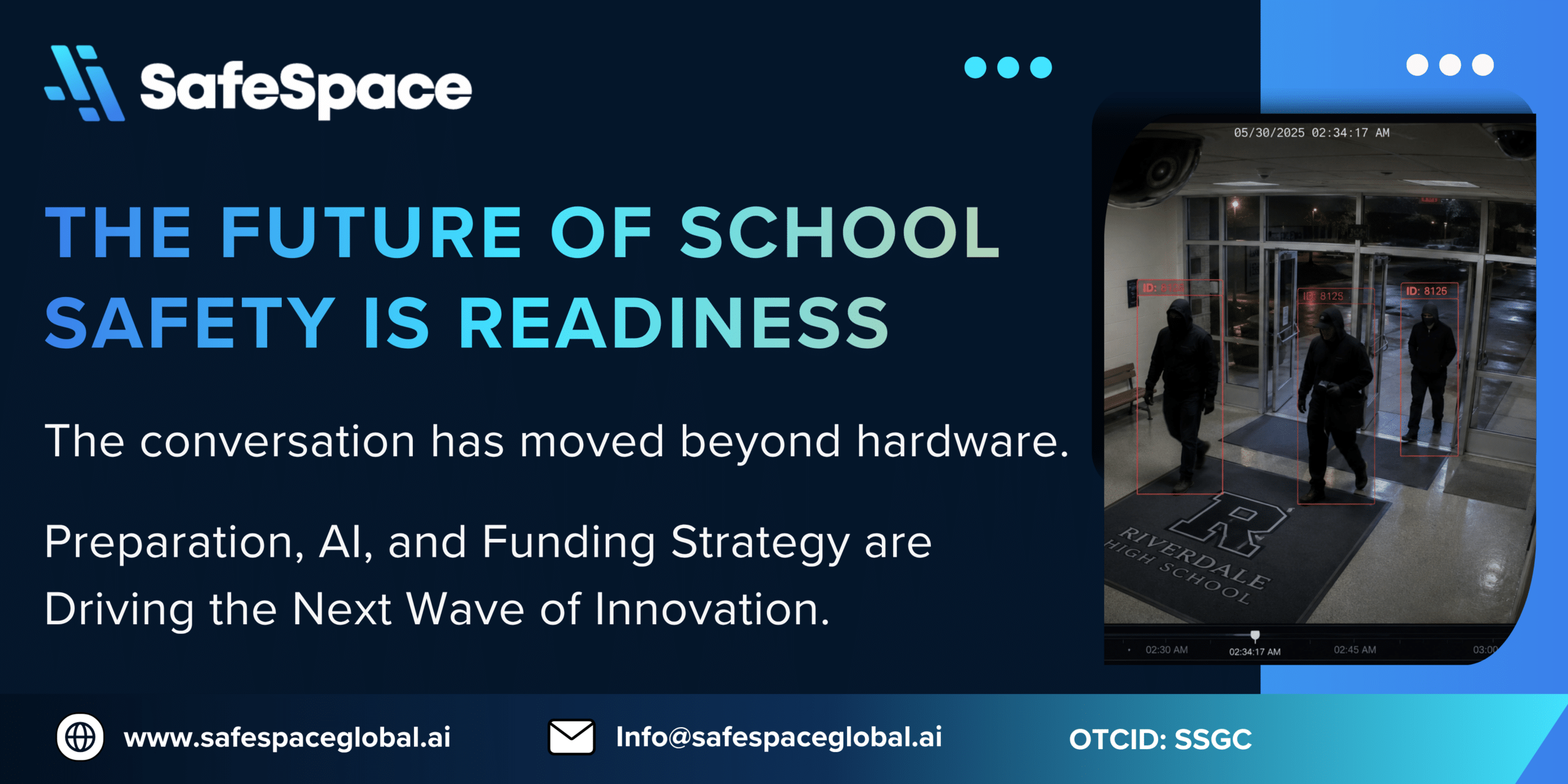
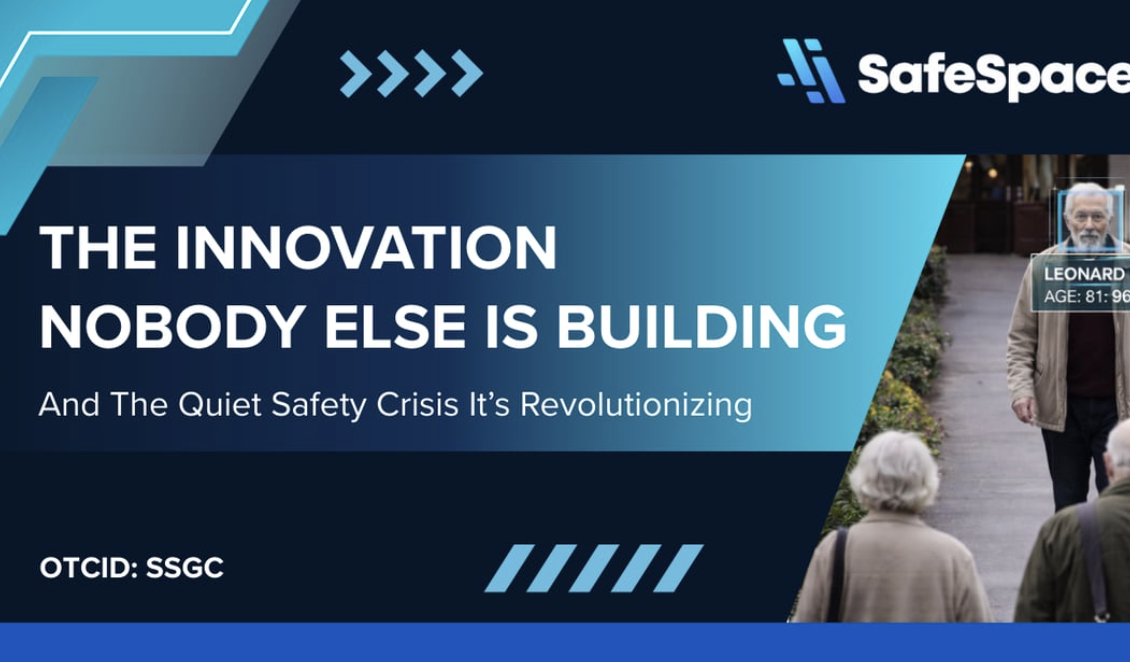
At SafeSpace, our real-time monitoring, facial recognition, and event-triggered recordings, alert staff before incidents escalate, reducing the risk of elopements and caregiver burnout.
The Bottom Line
Senior safety isn’t just about detection, it’s about response. Alerts are designed to enable supportive care interventions rather than unnecessary emergency escalation.
When facilities emphasize reassurance more than innovation, families may assume protection that’s not yet built to deliver.
The question for the next decade isn’t:
“Is this community safe?”
It’s:
“Is this community keeping up with what safety actually means now?”
About SafeSpace Global Corp.
SafeSpace Global Corporation is an AI-powered platform that integrates video, audio, and sensor analytics to enhance situational awareness and support proactive safety measures. Incidents can unfold in seconds. By leveraging advanced technologies, SafeSpace provides instantaneous detection with real-time monitoring and live alerts, enabling security teams to respond swiftly to potential security threats before a situation becomes a crisis to help keep bus operators and riders safer.
By utilizing advanced AI monitoring tools, SafeSpace’s technology identifies potential threats before they escalate through cutting-edge facial recognition, brandished weapons detection, and assault detection monitoring. In addition, our AI technology continuously scans trusted sources across the web for real-time updates and actively monitors for missing children, senior citizens, and individuals on terrorist watchlists. When a match is detected, authorities are notified immediately, enabling faster, coordinated, and potentially life-saving responses.
To learn more, ask questions, or discuss how SafeSpace Global can help enhance safety for your transit system—contact our team to request a demo today.
Sources:
* SafeSpaceGlobal.ai
- https://activatedinsights.com/articles/resident-elopement-in-senior-living-the-silent-safety-threat-communities-cannot-ignore-in-2026
- https://www.mcknightsseniorliving.com/home/columns/marketplace-columns/preventing-elopement-how-to-keep-your-residents-safe
- https://www.ohio-injury.com/blog/how-many-dementia-residents-wander-from-nursing-homes
- https://bermanlawyers.com/nursing-home-elopement
- https://tangramins.com/news-insights/shocking-elopement-statistics-how-to-keep-wandering-residents-safe
- https://www.anapolweiss.com/blog/when-your-loved-one-leaves-their-nursing-home-elopement-from-skilled-nursing-facilities
- https://www.washingtondcinjurylawyerblog.com/assisted-living-neglect-leads-to-wandering-deaths-article-reports
- https://www.pbglaw.com/blog/what-are-the-legal-responsibilities-of-nursing-homes-in-preventing-resident-wandering-and-elopement