The Next Frontier in Addiction Treatment Facilities
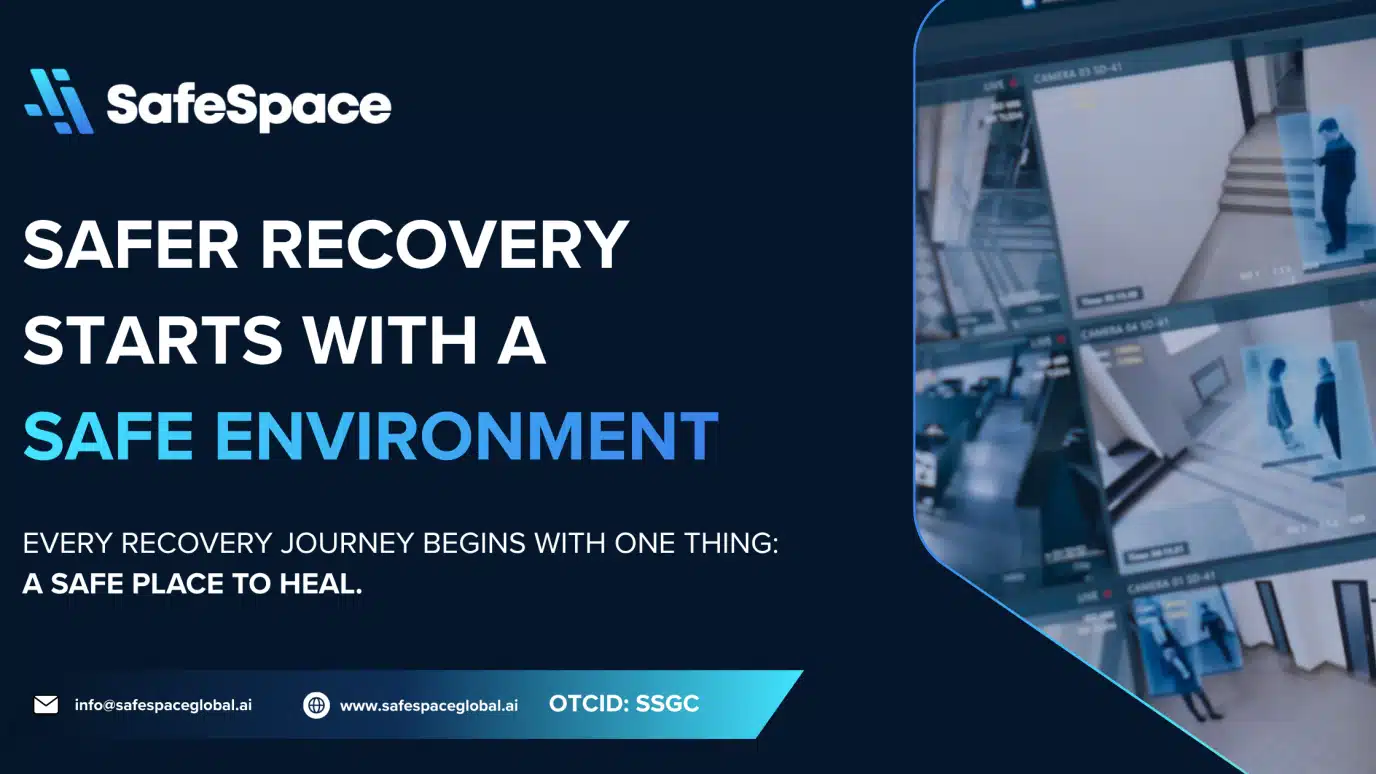
Every recovery journey begins with one thing: a safe place to heal.
Recovery housing has always been built on accountability, peer support, structure, and community. These principles remain the foundation of successful long-term recovery. However, today’s addiction treatment and recovery housing operators face growing physical safety challenges that extend well beyond creating a supportive environment.
Facilities must be prepared to respond to unauthorized visitors, drug trafficking attempts, resident disputes, medical emergencies, overdoses, weapons, theft, mental health crises, and persistent staffing shortages. These realities require operators to view safety not simply as a security issue, but as a vital part of the recovery process.
The need has never been greater. According to the CDC, more than 48 million Americans aged 12 and older, or one in six, experienced a substance use disorder in 2022, increasing demand for services across the behavioral health and addiction recovery continuum. As recovery housing expands to meet that need, providers are challenged to create environments that are both supportive and secure.
The goal isn’t just responding to incidents; it’s recognizing them before they escalate.
Most facilities rely on security cameras, staff observations, and resident reporting. While essential, these tools are largely reactive. Cameras capture events, but staff still need to review footage, and caregivers cannot be everywhere at once, particularly overnight or while supervising multiple residents.
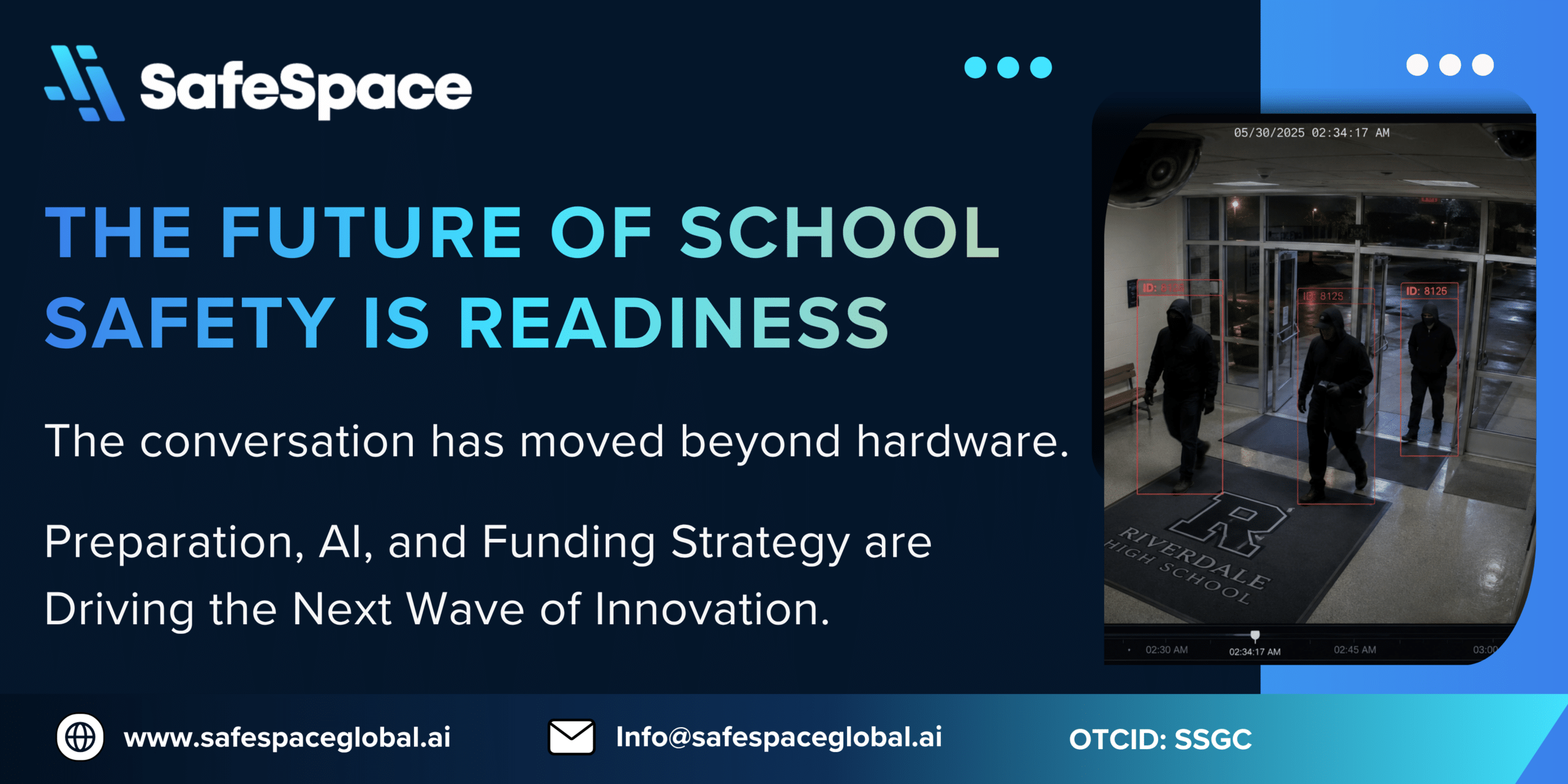
AI-powered physical safety technology offers a proactive approach. Instead of simply recording activity, it can analyze video in real time and alert staff when someone enters a restricted area, a confrontation begins, a resident appears to collapse, or unusual after-hours activity occurs. These alerts help staff intervene sooner, improving response times without replacing human judgment.
The Substance Abuse and Mental Health Services Administration (SAMHSA) recognizes recovery housing as a critical component of long-term recovery and emphasizes the importance of safe, recovery-oriented environments that support resident well-being.
At SafeSpace Global, we believe technology should strengthen, not replace, the compassion, experience, and human connection that define recovery. Instead, it should serve as another set of eyes, helping recovery professionals protect the people who have entrusted them with one of life’s most important journeys.