What’s Missing Is Urgency.
For years, school districts have cited two reasons for delaying advanced safety initiatives: technology readiness and budget constraints.
Today, neither objection carries the weight it once did.
Modern AI-powered physical safety platforms can integrate with existing camera and security infrastructure, eliminating the need for costly rip-and-replace projects. At the same time, state grants, federal funding programs, and school safety allocations continue to create opportunities for districts to strengthen campus safety without bearing the full financial burden alone.
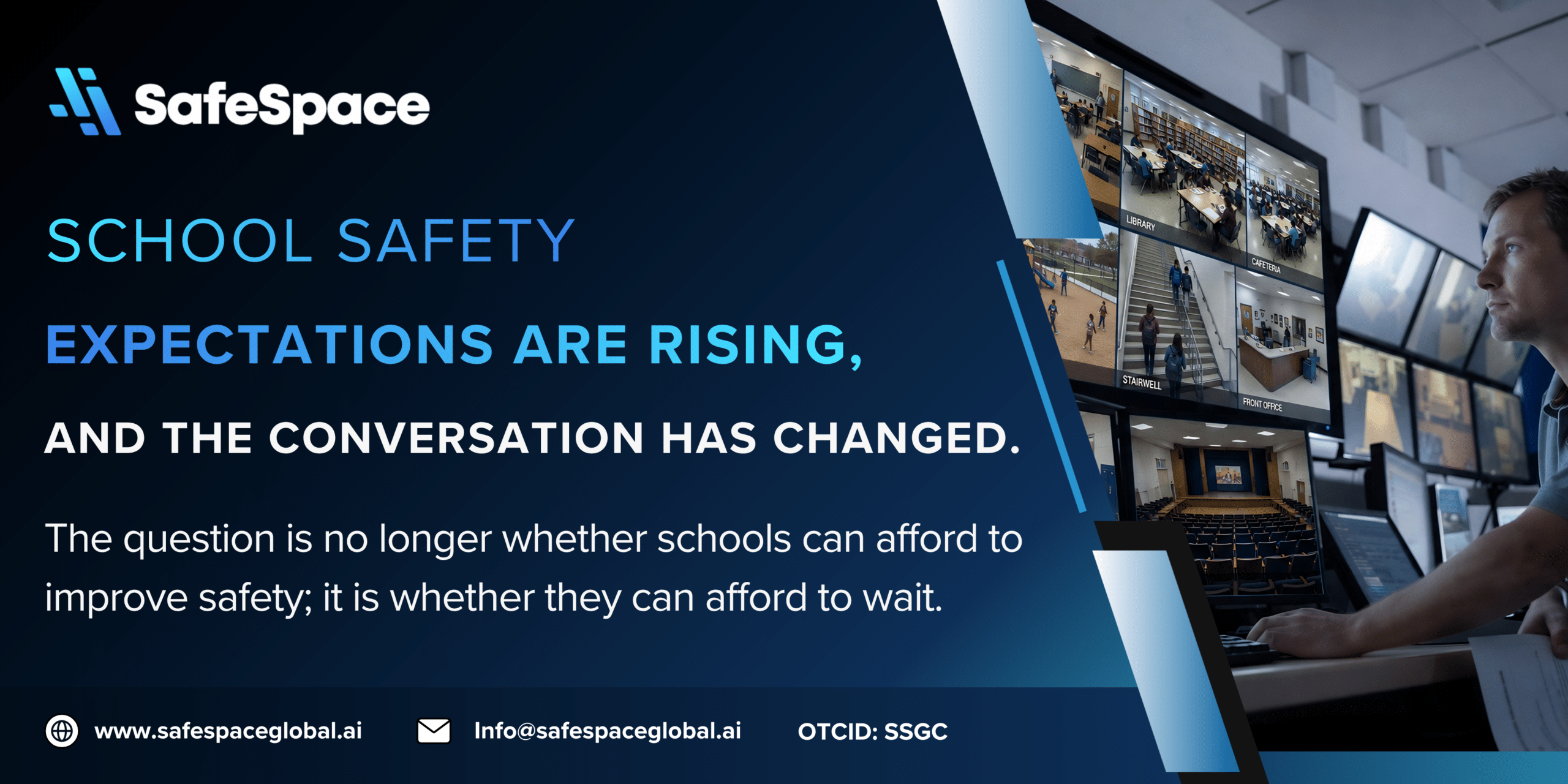
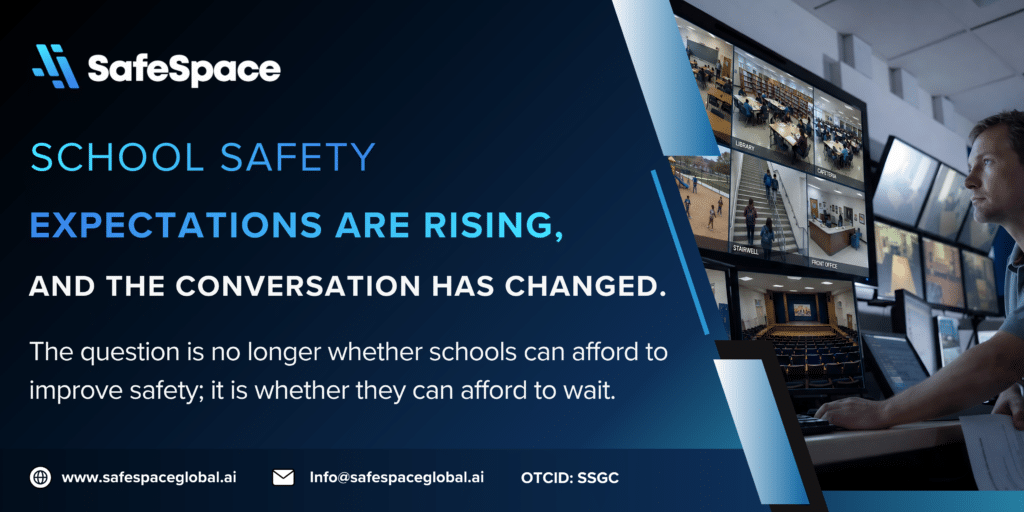
The conversation has changed. The question is no longer whether schools can afford to improve safety; it is whether they can afford to wait.
School Safety Expectations Are Rising
Across the country, policymakers, educators, and communities are demanding more proactive approaches to school safety. Georgia’s HB268 strengthened school safety requirements through threat assessment teams, expanded information sharing, and increased accountability for safety planning, reflecting a broader national shift toward prevention rather than reaction.
Schools are increasingly expected to identify risks earlier, improve situational awareness, and strengthen coordination with first responders before an incident occurs.
The challenge facing school leaders is rarely a complete absence of warning signs. The challenge is recognizing them early enough and having the systems in place to act on them.
The Remaining Barrier Is Urgency
The technology exists.
Funding opportunities exist.
Legislative momentum is growing.
What often remains is urgency.
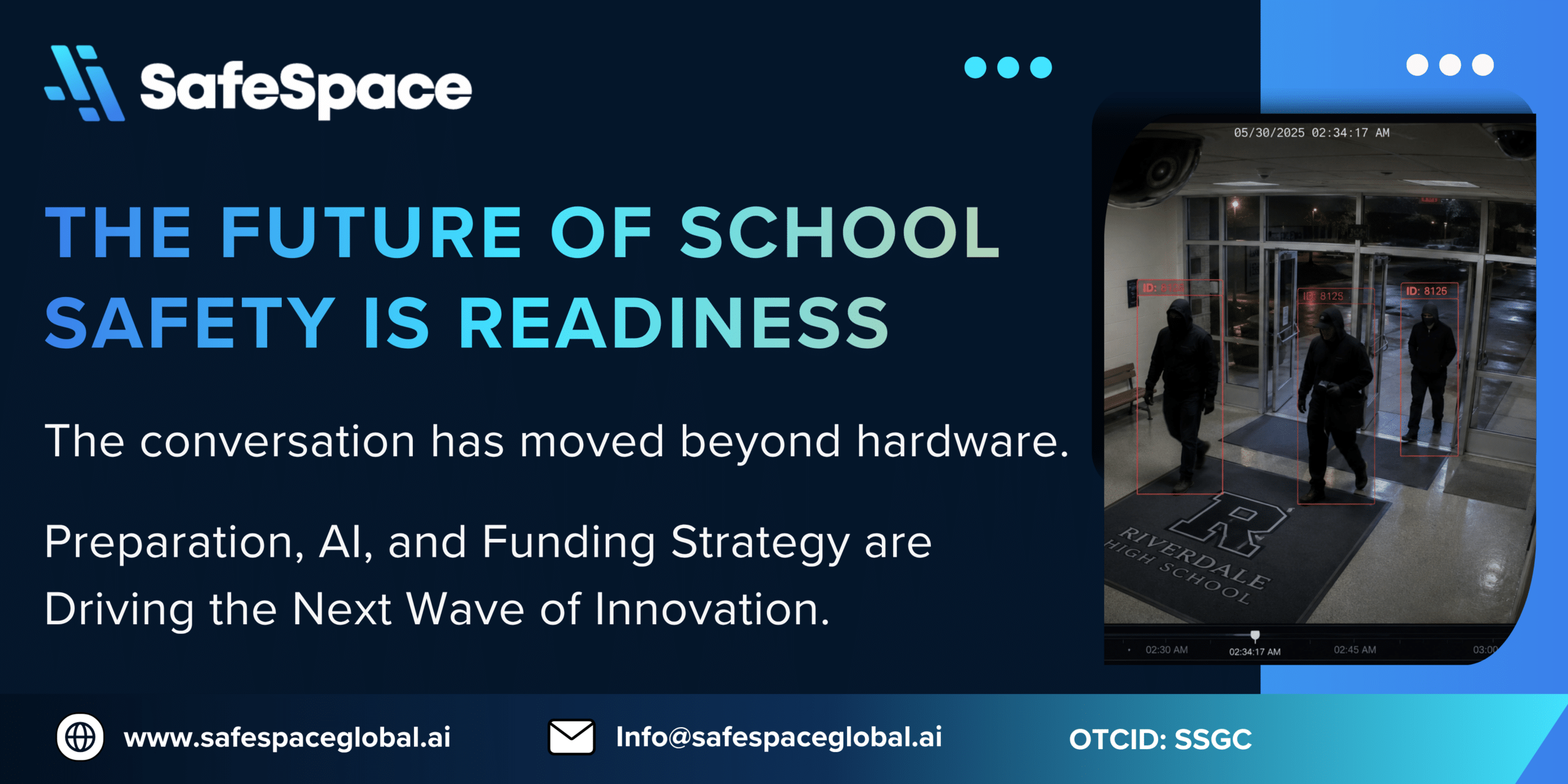
Too many safety investments occur only after a vulnerability is exposed. Yet the most effective safety strategies are proactive by design, helping schools identify potential threats, improve communication, and enhance preparedness before a crisis unfolds.
The districts leading the next generation of school safety are not waiting for mandates or headlines to drive action. They are evaluating available technologies, pursuing available funding, and building safer learning environments today.
At SafeSpace Global, we believe school safety begins with awareness, preparedness, and timely action. Through applied multimodal AI, real-time situational intelligence, and integrated safety technologies, schools can strengthen threat detection, improve response coordination, and help protect students, staff, and visitors using much of the infrastructure already in place.
The technology is ready. The funding exists. The expectations are rising.
The remaining question is whether your district chooses to lead, or waits until circumstances make the decision for you.
Sources
National Center for Education Statistics (NCES), Indicators of School Crime and Safety
https://nces.ed.gov/programs/crimeindicators/
U.S. Secret Service National Threat Assessment Center, Protecting America’s Schools
https://www.secretservice.gov/protection/ntac
Georgia House Bill 268 (School Safety and Threat Assessment Requirements)
https://www.legis.ga.gov
U.S. Department of Homeland Security / CISA School Safety Resources
https://www.cisa.gov/school-safety-and-security