The Threat Is Real, And It’s Evolving
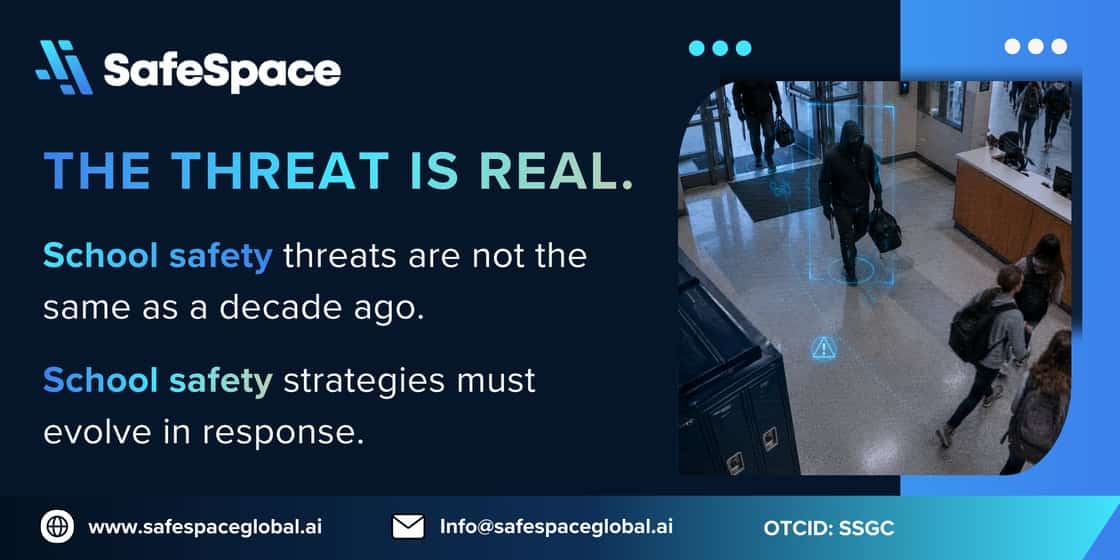
School safety threats in 2026 look very different than they did a decade ago.
Today’s risks move faster, escalate online, and often emerge before administrators or law enforcement have visibility. Weapons are harder to detect. Behavioral warning signs are easier to miss in crowded hallways. Social media threats now escalate off-campus long before school personnel are aware there is a problem.
And while traditional security measures, like locked doors, visitor logs, and reactive emergency protocols still matter, they were built for a different threat environment, and were designed for a different era.
The Data Reflects That Shift
In the past decade:
- Firearm incidents in U.S. K–12 schools increased 324%, rising from 346 incidents to 1,468 incidents nationwide, according to Axios reporting based on data from the K-12 School Shooting Database.¹
- RAND research found school violence threats increased 60% between 2021 and 2022, with many threats now originating anonymously through social media platforms.²
- The Cyberbullying Research Center reports that nearly 27% of students have experienced cyberbullying, with online threats increasingly spilling into physical school environments.³
Technology Alone Is Never the Solution.
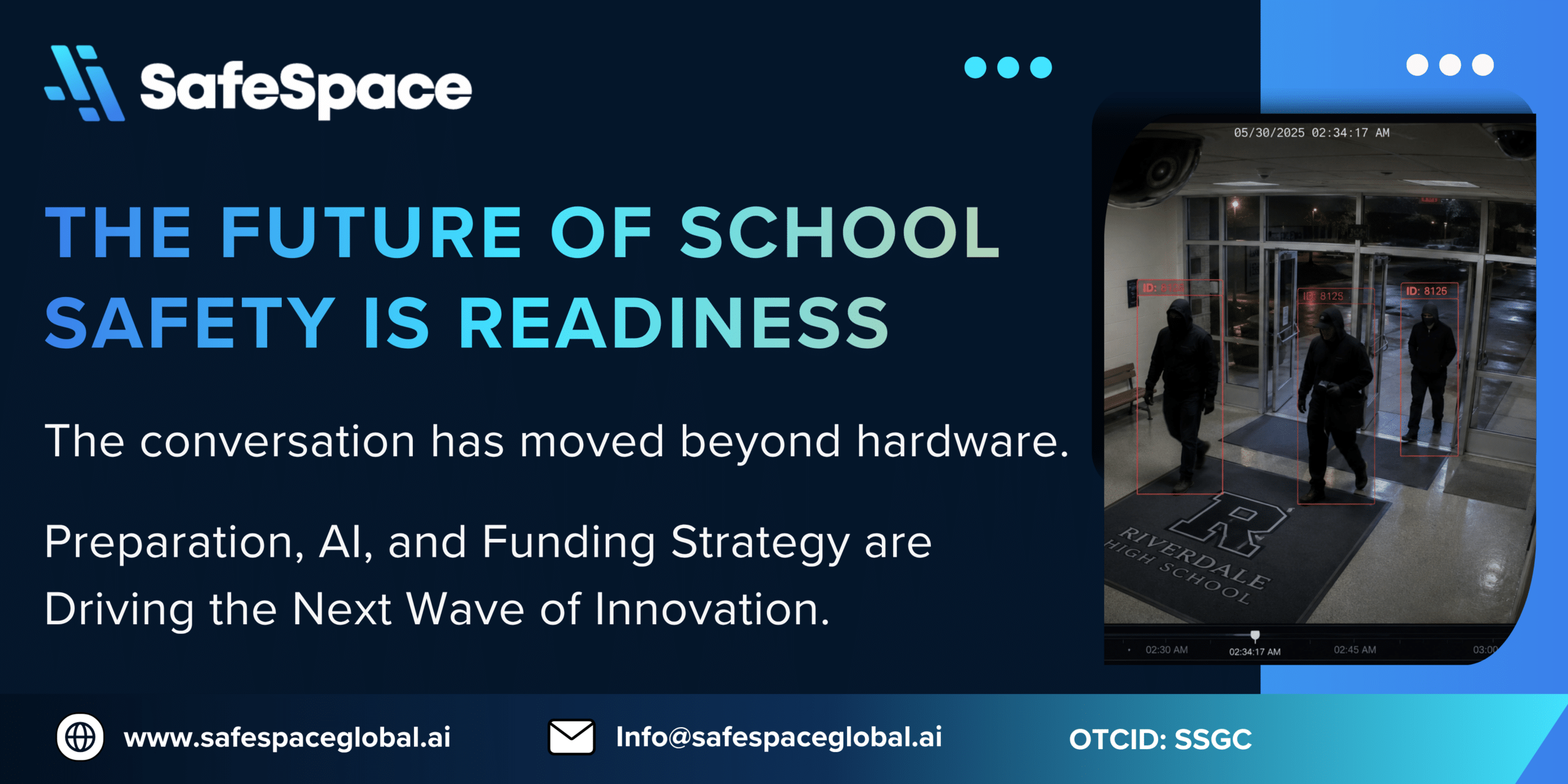
AI-powered safety technology is helping schools move from reactive response to proactive awareness, is identifying threats early enough to prevent escalation, and is changing the conversation.
AI is not a replacement for educators, school resource officers, administrators, or crisis teams.
Modern AI safety systems are designed to augment human awareness, not replace it. They can help identify visible weapons in real time, monitor unusual activity patterns, accelerate emergency communication, giving school leaders and first responders critical information when seconds matter most. These systems are not designed to replace human judgment, but to strengthen it.
The strongest school safety strategies combine trained personnel, operational preparedness, and intelligent systems that help humans make faster, better-informed decisions.
Public Support Is Growing
More than 77% of Americans support AI-assisted gun detection technology in schools and public spaces, according to Campus Safety Magazine.
At SafeSpace Global, we believe safer schools begin with earlier awareness, faster communication, and empowered human decision-making, because protecting students and staff should never depend on delayed information.
The future of school safety will belong to organizations willing to evolve before the next crisis forces them to because the reality is simple: the threat landscape has evolved, and school safety strategies must evolve with it.
The question is no longer whether AI-enabled safety infrastructure is necessary; it’s how much longer schools can afford to operate without it.
Sources:
https://k12ssdb.org/all-shootings
https://www.axios.com/2024/05/02/k-12-gun-incidents-school-shootings
https://www.rand.org
https://cyberbullying.org
https://www.campussafetymagazine.com